Understanding Cardiac Tests: All You Need to Know
July 12, 2023 · By Anush Milroy
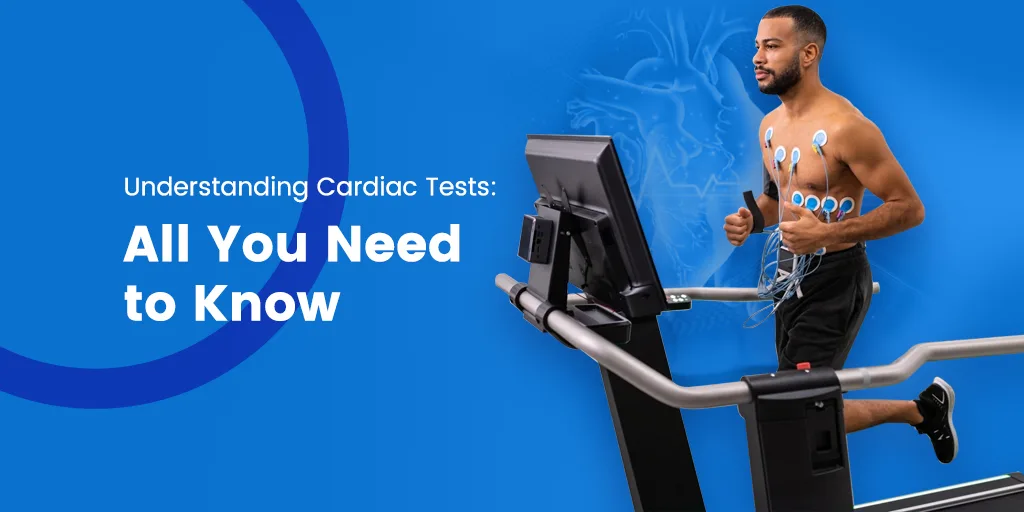
Having a healthy mind and heart is vital for well-being. Adopting good habits when you're young helps you have a healthy heart in old age, but workplace tension and family stress can still affect the heart. It's advisable to take cardiac tests when you feel difficulty breathing or continuous chest pain.
Types of cardiac tests
1. Electrocardiogram (ECG or EKG)
A short test that measures the electrical activity of the heart using stickers on the chest, arms and legs, helpful for identifying irregular cardiac rhythms, heart chamber enlargement and damage to the heart muscle.
2. Echocardiogram
An ultrasound recording of the inside of the heart, similar to those taken during pregnancy, that can find most abnormalities in heart structure or function.
3. Angiogram (X-ray of blood vessels)
Used to identify narrowing or blockages in the coronary arteries or evaluate pressures inside the heart. A catheter is fed to the heart through a blood vessel in the arm or groin, and a special dye is injected before pictures are taken.
4. Trans-thoracic echocardiogram (TTE) screening
Uses sound waves to create digital images of the heart and connected blood vessels, examining the chambers, valves and blood vessels for abnormalities or extra fluid.
5. Cardiac Calcium Scoring Test
A CT scan measuring the amount of calcium in the coronary arteries, indicating a build-up of plaque that can suggest coronary artery disease.
Regular check-ups with a cardiologist provide peace of mind or help with early detection of dangerous cardiac symptoms before they reach a critical stage. Durdans offers all types of cardiac tests and screening, alongside a panel of experienced cardiologists. To book an appointment, call +94 70 678 8455, or book through the Durdans chatbot on WhatsApp.
Have a health question?
Speak with one of our specialists or find the right department for your needs.
Find a Doctor